Best Alaska Cruises for Seniors: Pace, Glacier Bay & Mobility
The best Alaska cruises for seniors compared by pace, Glacier Bay access, mobility needs, cabin location, and quiet-ship fit.
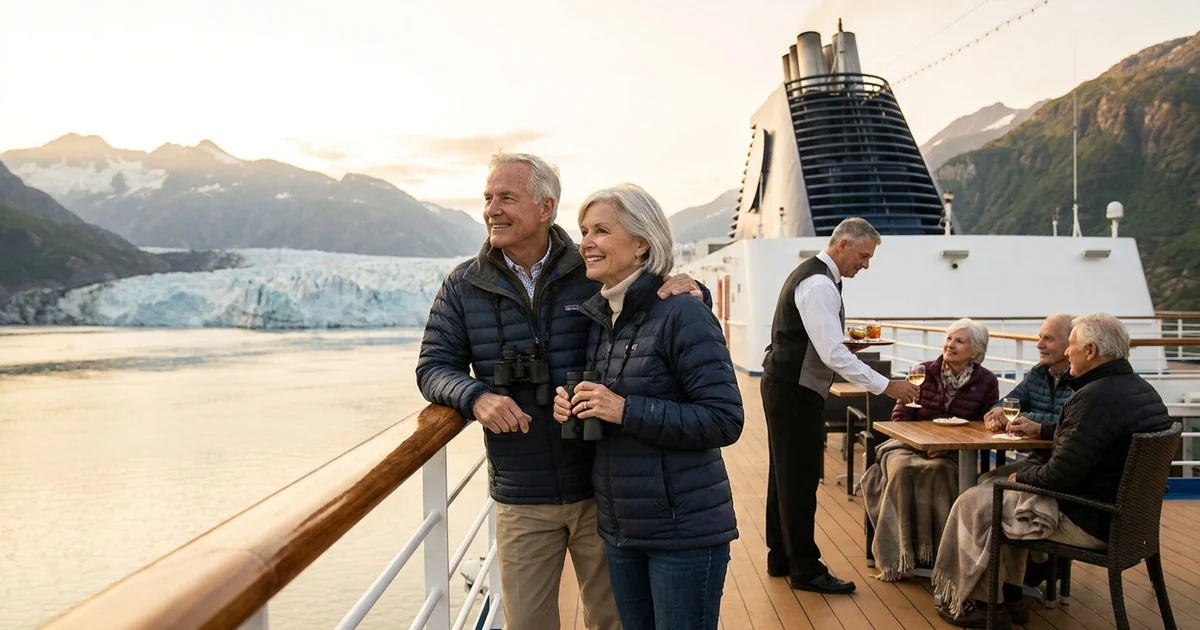
The best Alaska cruises for seniors match your real walking range, preferred pace, and tolerance for crowds. I would start with Holland America for a calm, classic Alaska trip; Princess for a first cruise or a multigenerational group; and Seabourn for quiet luxury. If Glacier Bay is a priority, confirm it on the exact itinerary. If mobility is the priority, the ship layout, cabin location, tender ports, and excursion details matter more than the cruise-line name.
Quick Fit Check: Best Alaska Cruises for Seniors
| Your priority | My first choice | What to verify before deposit |
|---|---|---|
| Best quiet Alaska experience | Holland America | A calm onboard pace, Glacier Bay on the sailing, and a mid-ship cabin away from deck noise. |
| First Alaska cruise or family group | Princess or Celebrity | Princess when Glacier Bay is a priority; Celebrity when a modern premium ship matters. |
| Limited mobility | Holland America, Celebrity, or Oceania | Accessible cabin inventory, elevator distance, pier versus tender access, and actual walking or standing time ashore. |
| Upscale without full luxury pricing | Celebrity | The total after drinks, Wi-Fi, tips, and excursions. |
| Least friction at luxury level | Regent Seven Seas | The suite location and which excursions match your walking range. |
| Quiet small-ship experience | Seabourn or Silversea | Elevator count, corridor width, tender use, and whether Glacier Bay is on the itinerary. |
If you want help narrowing this down to 2 sailings that fit your pace, budget, and travel style, I can do that for you. Please fill out the form below and you will receive your shortlist within 48 hours.
[alaska_intake_form]
Quick Comparison: Best Alaska Cruise Lines for Seniors
| Cruise Line | Best For | Overall Vibe | Good Fit For | Watch Out For |
|---|---|---|---|---|
| Holland America | Best overall | Classic, calm, mature | Retirees, couples, travelers who want a traditional cruise | Older ships make cabin location more important |
| Princess | Best for first-timers | Balanced, scenic, familiar | Seniors new to Alaska, multigenerational families | Peak summer sailings can feel busier |
| Celebrity | Best upscale choice | Refined, modern, quieter | Couples, anniversary trips, travelers who want premium without full luxury pricing | Total cost rises quickly with add-ons |
| Regent Seven Seas | Best luxury | Highly inclusive, spacious, hands-on | Seniors who want the least friction | Premium pricing |
| Seabourn | Best quiet luxury | Elegant, intimate, unhurried | Couples who care most about comfort and service | Smaller ships are not automatically easier for all mobility needs |
| Silversea | Best smaller-ship premium option | Private-club feel, destination-focused | Seniors who dislike crowds | Some itineraries require closer mobility review |
| Oceania | Best for food and low-key days | Upscale, calm, food-forward | Retirees who enjoy the ship as much as the destination | Excursion pacing varies |
How to Choose the Best Alaska Cruise for Seniors
1. Decide What Matters Most
For seniors, you start by listing your limits. Then you rank priorities before you pick a ship.
Here’s what actually matters for Alaska:
- Ease of getting around the ship (elevators that keep up, ramps where you need them, handrails that are where your hand lands)
- Cabin noise and stability (sleep, balance, and minimizing motion sickness)
- Accessible, low-impact shore excursions with walking details (not “easy” as a marketing label)
- Onboard medical facilities and trained medical staff
- A calm, not “party-heavy,” atmosphere
- Travel time and flight complexity to/from the port
Do not start with “best deals.” That’s how people in their 70s who want a quiet night end up on ships designed for water slides and late-night bass.
Start with this: how far can you walk, repeatedly, on a moving ship and in port?
Best Alaska Cruise Lines for Seniors
These are the lines I recommend most often for older travelers on Alaska routes—ranked by senior-friendliness, not hype.
1. Holland America Line – Top Choice for Classic Senior Comfort
Why it’s excellent for seniors:
- High percentage of older guests. The crew sees walkers, scooters, and canes every sailing. You’re not “the complicated one.”
- Lots of round-trip Inside Passage Alaska cruise options from Seattle and Vancouver, which keeps flights simpler.
- Strong enrichment: naturalist talks, cultural lectures, live music in lounges, earlier evenings. Less emphasis on late-night chaos.
- Ships are big enough for amenities but not so massive that dinner feels like a hike.
Best Alaska itineraries for seniors:
- 7-night roundtrip Vancouver Inside Passage with Glacier Bay
- 7-night roundtrip Seattle Inside Passage with Juneau and Ketchikan
Good for:
- Seniors who want that traditional cruise feel: steady service, calmer lounges, scenery as the main event.
- Travelers who’d rather hear a piano than a DJ at midnight.
Watch-outs:
- Holland America uses some older hardware. Translation: choose cabin location carefully. Too close to elevators or under the Lido and you’ll hear carts and chair scraping early and late.
- Accessible cabins go first. Not “sometimes.” Always. If you need a roll-in shower, book early or accept that you may not get it.
2. Princess Cruises – Great for Glacier Viewing and First-Time Seniors
Princess has been doing Alaska for a long time, and the product fits a lot of seniors—especially first-timers who want a balanced ship without a party vibe.
Why it works:
- Consistent Alaska programming: glacier days, wildlife talks, and port-heavy schedules that keep you engaged without overtaxing you.
- A wide range of ships and sailing dates, which helps if you need specific medical timing or family coordination.
- Onboard flow tends to be predictable—important if you don’t want surprises navigating the ship.
Best Alaska itineraries for seniors:
- 7-night roundtrip Vancouver Inside Passage (ideal if you want a lower-stress flight plan)
- Select sailings with Glacier Bay (worth prioritizing if it’s available on your date)
Good for:
- First-time Alaska cruisers who want “classic cruise” with enough activity—but not a floating theme park.
- Multigenerational groups where grandparents want calm spaces while the rest of the family stays busy.
Watch-outs:
- Princess can feel busy on peak summer weeks. If crowds drain you, lean toward late May, early June, or September.
- Don’t assume “balcony is balcony.” Some balconies feel exposed and windy; others are more sheltered. That matters in Alaska.
3. Celebrity Cruises – Upscale, Calm, and Good for Food-Focused Seniors
Why it works well for older adults:
- Quieter, more refined onboard energy than many mainstream lines. Fewer pool games on megaphones. More lounging with a glass of wine.
- Strong service culture and higher staff-to-guest ratios, which matters if you need a bit more assistance.
- Alaska ships in the fleet skew modern, with decent elevator placement and predictable layouts. You’re not constantly lost.
Best Alaska itineraries for seniors:
- 7-night Alaska Inside Passage from Vancouver with heavy scenic cruising.
- One-way itineraries between Vancouver and Seward for seasoned travelers who can handle extra logistics and more open-water segments.
Good for:
- Seniors wanting an upscale, design-forward vibe without ultra-luxury pricing.
- Couples celebrating retirement, major anniversaries, or their first “big trip” after scaling back work.
Watch-outs:
- Sticker price can run higher than competitors. Celebrity’s promos sometimes bundle drinks, Wi-Fi, and tips—great when it’s real savings, not “discount theater.”
- If you’re on a strict budget, be honest. Don’t book Celebrity, add every package, then get mad at the total. Build the math first.
4. Oceania Cruises – Quiet Luxury, Strong Food, Low-Key Days
Oceania hits a sweet spot for many seniors: upscale, calm, and food-forward—without the “white glove all the time” formality some travelers don’t want.
Why Oceania works for seniors in Alaska:
- Smaller-ship feel compared to megaships, which usually means fewer crowds at elevators and less chaos at embarkation and disembarkation.
- Excellent dining culture. In Alaska, that matters more than people expect—cooler weather, longer evenings onboard, more time actually enjoying the ship.
- A calmer onboard rhythm. You can dress up if you want, or keep it simple.
Best for:
- Seniors who care about comfort, cuisine, and a quieter ship more than nonstop entertainment.
- Travelers who want an “upscale but normal” vibe—polished, not stiff.
Watch-outs:
- Oceania can still use tenders on certain itineraries/ports. If tendering is hard for you, you must verify the docking plan before you pay in full.
- Excursion pacing varies wildly. Some “scenic” tours still involve steps, uneven ground, and standing around in wind. Ask for specifics.
5. Regent Seven Seas – Ultra-Luxury, Mostly Inclusive, Very Hands-On
Regent is where I send seniors who want the most included and the least friction.
Why Regent can be ideal for seniors:
- Many sailings include excursions, specialty dining, drinks, and gratuities. You’re not constantly signing receipts or doing mental math.
- High staff-to-guest ratios. When mobility is a factor, that extra attention changes the whole experience.
- Suites across the ship—more space, easier to move around, more comfortable for longer scenic days.
Best for:
- Well-traveled retirees who want Alaska with minimal logistics and maximum comfort.
- Older travelers who want to unpack once and let the trip happen around them.
Watch-outs:
- “Inclusive” doesn’t mean “risk-free.” In remote Alaska, medical evacuation is still expensive and still complicated. Do not skip serious travel insurance because the ship feels luxurious.
- Popular sailings and better suite categories sell early. If you want a specific location (mid-ship, not near noise), you plan ahead.
6. Silversea – Small-Ship Energy, Expedition-Style Alaska Options
Silversea can feel like Alaska turned up a notch—more intimate, often more destination-forward.
Why Silversea works for older travelers:
- Smaller ships and fewer guests can mean less crowd stress and easier movement around public spaces.
- Quiet lounges, less “schedule pressure,” and staff who notice when you need help.
- Depending on the itinerary, you may get more time in places other ships don’t emphasize.
Best for:
- Seniors who dislike crowds and want a ship that feels like a private club—without having to act like one.
- Travelers who want destination depth but don’t want to “rough it.”
Watch-outs:
- Smaller ship doesn’t automatically mean easier. Some small ships have narrower corridors or fewer elevators than you’d expect. Mobility needs require a ship-specific check.
- Ports that rely on tendering can be a dealbreaker for some seniors. Don’t guess—confirm.
7. Seabourn – Elegant, Unhurried, and Very Comfortable
Seabourn tends to attract travelers who want quiet luxury and excellent service without the showy vibe.
Why Seabourn suits seniors:
- Calm atmosphere, strong service, and fewer passengers. That translates to less waiting, less jostling, and a more controlled pace.
- The ship experience is a big part of the value: comfortable lounges, attentive dining, easy scenic cruising days.
Best for:
- Seniors who want Alaska with maximum comfort and minimal noise.
- Couples who prioritize service, space, and not having to compete for anything.
Watch-outs:
- Alaska weather can still keep you inside. Make sure you like the ship itself, not just the itinerary.
- Again: remote waters. Medical care onboard can stabilize you, but evacuation logistics don’t get easier because your cruise is expensive.
8. Norwegian, Royal Caribbean, and Carnival – When They Make Sense for Seniors
These lines lean “fun ship” and family travel. They can still work for seniors in the right setup:
- Multigenerational trips. Kids get their attractions and shows while grandparents enjoy scenery and pick calmer spaces.
- Seniors who actually like a busier environment and aren’t bothered by more walking and noise.
If you choose one of these, do it strategically:
- Pick mid-sized ships instead of the absolute mega-ships if walking distances are a concern.
- Avoid cabins directly under pools, buffets, and late-night venues. Footsteps, dragged chairs, and thumping bass travel through decks like a drum.
- Favor itineraries with more port days and fewer long open-ocean segments.
Also: if your family wants private photographers, musicians, or planners for events onboard, expect outside vendor fees that often land in the $500–$1,000 range. Ask before you sign. Don’t “find out later.”
Inside Passage vs. One-Way Gulf of Alaska – Which Is Best for Seniors?
Inside Passage Alaska Cruise (Roundtrip)
Good for most seniors, especially first-timers.
- Roundtrip from Seattle or Vancouver means you fly in and out of the same airport. That removes a big chunk of logistics.
- More protected waters usually mean gentler motion. Not “lake smooth,” but noticeably better than open Gulf stretches.
- Classic ports: Juneau, Ketchikan, Skagway, plus scenic cruising past forested islands and glacier zones.
Why I recommend this for many older adults:
- Lowest stress. Simple flights. Easy transfers.
- Best choice if you worry about balance, vertigo, or motion sensitivity.
- Big scenery without marathon travel days.
If you only take one Alaska cruise in your life? This is the safest bet.
One-Way Alaska Cruise (Vancouver to Whittier/Seward or Reverse)
Best for active, experienced travelers.
- Often paired with land tours to Denali, Fairbanks, and interior lodges.
- More complicated logistics: fly into one city, home from another, with buses or trains in between.
- More open-water time—especially across the Gulf of Alaska—where motion can be stronger.
When it’s a good choice:
- You’re reasonably fit, handle long travel days, and don’t panic when plans shift.
- You want “cruise + land” in one trip and can handle packing, unpacking, and early departures.
- You (or your travel advisor) can manage baggage across transfers. If not, pay for porter or concierge help and stop pretending you’ll “just manage.”
Cabin Selection Rules for Seniors
As you age, where your cabin sits matters more than which restaurant has the prettiest dessert.
Pick strategically.
1. Aim for Mid-Ship, Lower to Mid Decks
- Cabins near the middle feel less movement than those far forward or aft.
- Lower to mid decks usually ride more smoothly than top decks where motion amplifies.
2. Stay Close to Elevators—but Not Directly Beside Them
- Target 4–8 cabins down the hall from elevators. Short walk, less foot traffic noise.
- Skip cabins directly beneath pools, buffets, or nightclubs. You’ll hear scraping chairs and rolling carts at the worst possible hours.
3. Choose the Right Cabin Type
- Oceanview: Good if the budget is tight but you want natural light and the ability to see the horizon to steady your balance.
- Balcony: Ideal for Alaska. When it’s cold, raining, or windy, you can still sit with a blanket and watch glaciers and whales from your own space.
- Accessible cabins: Wider doors, roll-in showers, grab bars, and open floor space for wheelchairs or scooters. Limited inventory. They sell early.
If you’re in your 70s+ and can afford it, prioritize a balcony over fancy dining packages or drink bundles. That private viewing space isn’t just “nice.” It’s a safety and comfort upgrade.
Mobility-Friendly & Accessible Alaska Shore Excursions
Even the best ship fails you if every excursion turns into a forced march.
You want accessible Alaska shore excursions with real walking details. Not vague “easy” tags.
Typical Port Options for Seniors
Juneau:
- Aerial tram rides to viewpoints with benches and indoor spaces. Height without a climb.
- Whale-watching by boat. Mostly sitting, but expect a few steps and potentially uneven gangways.
- Mendenhall Glacier visitor center with paved paths and minimal-walking options if you plan ahead.
Skagway:
- White Pass & Yukon Route train. The gold standard for limited mobility: sit, look out the window, let the scenery do the work.
- Bus tours with short photo stops and optional brief walks.
Ketchikan:
- Lumberjack shows with stadium seating. Sit and watch. No hills.
- Flat-town walking tours close to the pier for those who can manage short distances on even surfaces.
Sitka (when included):
- Cultural performances in indoor venues with seating.
- Bus tours around town with gentle, optional walks.
Excursion Tips for Older Adults
- Ask whether the port uses tenders or docks at a pier. Tendering means stepping into smaller boats that move with the water—hard on unstable knees and risky for some mobility devices.
- Demand specifics on walking: “How many steps?” “Any steep ramps?” “How long standing at viewpoints?” The details matter more than the brochure.
- Book morning excursions. Most seniors have better balance and more energy earlier. Save afternoons for naps, hot drinks, and a slow lap of the promenade.
Weather, Seasickness, and Season: The Reality Check
Best Time to Cruise Alaska for Seniors
- Late May–June: Often quieter with fewer families; early-season wildlife is active, and seas can be calmer.
- July–August: Warmer daytime temperatures, but more kids and more noise. Great if warmth matters more than peace.
- September: Fewer children, more rain/wind risk, and a higher chance of choppy seas. Great for quiet and pricing, harder on joints and balance.
Weather & Sea Conditions to Consider
- The Inside Passage is sheltered compared to open ocean, but you’ll still get cold wind, drizzle, and gray days.
- One-way itineraries across the Gulf can feel bouncy, especially in shoulder months.
- Decks get slick: condensation, drizzle, sea spray. Bring shoes with real tread. Smooth soles are a fall waiting to happen.
Seasickness advice for seniors:
- Choose Inside Passage routes if you’re motion-sensitive.
- Pick mid-ship cabins on lower decks.
- Talk to your doctor before the trip about seasickness medication that plays well with your prescriptions and blood pressure meds. Don’t gamble on wristbands and ginger candy if you already know you’re prone to nausea.
Alaska Cruise Costs for Seniors in 2026–2027
Budgeting realistically keeps you from cutting corners on the wrong things—like insurance and cabin location.
Base Cruise Fare (Per Person, Double Occupancy)
For a 7-night Alaska cruise in 2026–2027, a reasonable planning range is:
- Balcony: $2,500–$3,500 per person
- Suite: starts around $3,500–$4,500 per person
For luxury lines (Regent, Silversea, Seabourn, Oceania):
- Often $3,500–$7,000+ per person, and sometimes more depending on suite level and inclusions.
- Many luxury fares include significant value (excursions, drinks, gratuities, specialty dining), which can reduce onboard surprise spending.
Additional Common Costs
- Taxes and port fees: $200–$350 per person
- Gratuities: $16–$22 per guest, per day (verify your line’s current rates)
- Excursions: $200–$500+ per person, per tour depending on length and type
- Travel insurance: typically 5–10% of total trip cost, often higher with older ages and pre-existing coverage
- Pre/post-cruise hotel: $300–$450+ per night in Seattle or Vancouver for centrally located, decent hotels
Deposit Timelines
Most cruise lines:
- Deposit at booking: $200–$600 per person (luxury lines and suites can run higher)
- Final payment: usually 75–120 days before sailing
For seniors, I strongly advise:
- Booking 9–12 months ahead if you need accessible cabins or specific mid-ship locations. Waiting “for a deal” is how you end up in the worst cabin for your knees.
- Using refundable deposits whenever possible if medical issues or surgeries might pop up. Nonrefundable fares are cheaper for a reason.
Medical, Insurance, and Safety for Older Travelers
Onboard Medical Facilities
Most mainstream and premium lines provide:
- 24/7 medical teams with doctors and nurses
- Urgent-care style facilities (evaluation rooms, X-ray, some lab capability, common emergency meds)
- Capacity to stabilize you and coordinate evacuation for serious issues
Luxury lines may feel more personal, but geography still rules. In remote Alaska waters, the nearest major hospital isn’t around the corner.
That’s why robust travel insurance is non-negotiable.
Travel Insurance for Seniors on Alaska Cruises
If you’re over 60 and have any medical history at all, treat insurance as essential.
Look for policies with:
- Pre-existing condition waivers (usually require purchase within 10–21 days of your first trip payment)
- Medical evacuation coverage of at least $250,000—preferably more
- Trip interruption and cancellation coverage for covered medical issues
- Coverage for medical care outside your home country (important if you sail from Canada or aren’t a U.S. resident)
Bring a printed list of all medications, dosages, and prescribing doctors. Pack at least a week of extra medication in original labeled containers—and split some between bags in case one suitcase disappears.
Practical Alaska Cruise Tips for Older Adults
- Arrive at your departure city at least one day early. Tight same-day flight-to-ship plans are for 25-year-olds with backpacks.
- Pack in layers, not bulky coats. Base layer, warm mid-layer (fleece works), waterproof shell with a hood. You’ll add and remove constantly.
- Prioritize comfortable walking shoes with real grip. Dress shoes will sit in the closet.
- Use a lanyard, neck pouch, or small crossbody for your cabin card and ID. Fumbling at the gangway causes drops, delays, and stress.
- Respect your energy levels. Alaska’s long daylight tricks people into overscheduling. Build daily downtime: a nap, a quiet hour on the balcony, a slow coffee in a lounge.
Sample “Best Alaska Cruises for Seniors” Recommendations by Traveler Type
1. Moderately Active Couple in Their Late 60s
- Line: Holland America or Princess
- Itinerary: 7-night roundtrip Vancouver Inside Passage, including Glacier Bay
- Cabin: Mid-ship balcony on a lower or mid deck, 4–8 cabins from elevators
- Season: Late May or early June 2027 to dodge peak crowds and heavier family traffic
2. Limited-Mobility Senior with Adult Children
- Line: Holland America, Celebrity, or Oceania
- Itinerary: 7-night roundtrip Seattle or Vancouver, Inside Passage
- Cabin: Accessible balcony or oceanview near mid-ship elevator banks
- Excursions: Seated bus and train tours, whale-watching with minimal steps, shows and cultural events; avoid itineraries heavy on tender-only ports where possible
3. Multigenerational Family (Grandparents + Grandkids)
- Line: Princess or Royal Caribbean
- Itinerary: 7-night roundtrip Seattle
- Cabin: Two adjacent balcony cabins so grandparents can rest while kids move freely between rooms
- Excursions: Split activities: ziplines and active hikes for kids; scenic rail, bus tours, and shows for grandparents. Meet back onboard for shared dinners.
If you discover your family loves traveling together by sea, many of the same planning principles carry over to designing a milestone birthday cruise with family and friends—just with warmer weather and more beach days than you’ll get in Alaska.
4. Well-Traveled Retirees Seeking a “Trip of a Lifetime”
- Line: Regent, Silversea, or Seabourn (Oceania as a quieter-value alternative)
- Itinerary: 10–12-night extended Alaska including lesser-visited ports, possibly combined with Denali or the interior via rail or lodge stays
- Cabin: Suite with balcony for extended scenic cruising and private dining on your veranda
- Season: June–August 2027 for prime wildlife viewing and milder temperatures—accepting higher fares in exchange for comfort
Book Your Alaska Cruise With Me
Schedule your complimentary consultation below, and let’s match your pace, mobility needs, Glacier Bay priorities, and cabin location to the right sailing.
Related Senior Travel Guides
- Luxury travel for seniors for the broader planning framework.
- Best European river cruises for seniors with limited mobility if you want calmer inland cruising.
- Small ship cruise benefits if you want fewer crowds and more personal service.
- River cruises for singles over 50 for social river cruise options.
Frequently Asked Questions
1. Which cruise line is best for seniors going to Alaska?
Holland America is my best overall choice for seniors who want a calm, classic Alaska cruise. Choose Princess for a first Alaska cruise or a multigenerational group, Celebrity for a modern premium ship, Regent for the least friction at the luxury level, and Seabourn or Silversea when a quiet small-ship atmosphere matters most.
2. Should seniors prioritize Glacier Bay on an Alaska cruise?
Yes—prioritize Glacier Bay if this is your first or only Alaska cruise. Holland America, Princess, and Seabourn are among the lines authorized to operate there, but not every departure enters the park. Confirm Glacier Bay on the exact itinerary before you compare cabins or fares.
3. What is the best month for seniors to take an Alaska cruise?
Late May through June is my first choice for a quieter pace, lighter family crowds, and a chance of calmer seas. Choose July or August if warmer daytime temperatures matter more than quiet. Choose September only if lower pricing and fewer children outweigh the added rain, wind, and choppier-water risk for your joints and balance.
4. Is an Inside Passage Alaska cruise better for seniors than a one-way route?
Choose a roundtrip Inside Passage cruise if you want simpler flights, fewer transfers, and more sheltered water. Choose a one-way Vancouver-to-Whittier-or-Seward route if you can handle longer travel days, open Gulf water, and the extra luggage logistics of adding Denali or another land tour.
5. Can seniors with limited mobility take an Alaska cruise?
Yes—an Alaska cruise can work well with the right ship, cabin, ports, and excursions. Reserve an accessible cabin near an elevator, favor pier calls over tender-heavy routes, and choose seated rail, bus, boat, or cultural excursions with exact walking, standing, step, and ramp details.
6. What cabin is best for seniors on an Alaska cruise?
Choose a mid-ship balcony on a lower or mid deck for the strongest balance of stability, access, and private scenic viewing. If you use a wheelchair or scooter, book an accessible cabin with wider doors, a roll-in shower, grab bars, and enough turning space; reserve it early because the inventory is limited.